
A mother daughter same dress look can be a beautiful way to celebrate a special bond without making both outfits look overly identical. Matching clothes are often associated with family photos, weddings, birthdays, holidays, and other memorable occasions. However, wearing exactly the same dress, color, accessories, and hairstyle can sometimes make the styling feel too coordinated. The goal is not necessarily to avoid matching altogether, but to create a balanced appearance where both outfits complement each other while allowing each person to maintain her own style.
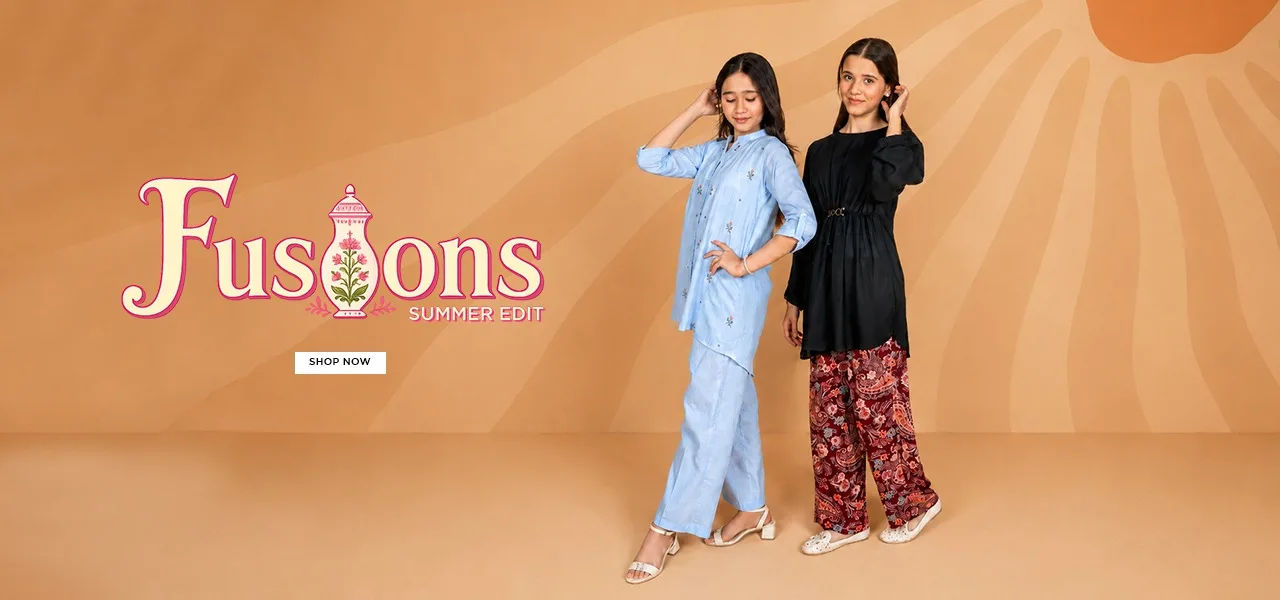
With thoughtful choices, mothers and daughters can wear coordinated outfits that look natural, stylish, and age-appropriate. Small differences in color, fabric, accessories, length, or styling can make a major difference. This guide explains how to create a coordinated mother-daughter look without making it appear overly planned or repetitive.
The Difference Between Matching and Coordinating
Matching and coordinating are related, but they are not exactly the same. Matching usually means wearing identical or nearly identical clothing. Coordinating means selecting pieces that share certain elements while still having visible differences.
For example, a mother and daughter might wear dresses made from the same fabric but choose different cuts. Another option is to use the same color family while selecting different shades. These approaches create a connection between the outfits without making them look like copies.
This distinction is especially useful when creating a mother daughter same dress style. The same basic dress can be adapted through accessories, footwear, hairstyles, or layering.
Choose Different Silhouettes
One of the easiest ways to prevent overmatching is to vary the silhouette.
A mother may prefer a longer, more structured version of a dress, while her daughter may wear a shorter or more playful variation. The dresses can still share the same print, fabric, or main color.
For example, a floral dress could have a classic midi length for the mother and a knee-length version for the daughter. The visual connection remains clear, but each outfit feels appropriate for the wearer.
Different silhouettes also allow both people to choose clothing that fits comfortably. Comfort should always be considered because a coordinated outfit will not look attractive if either person feels restricted or uncomfortable.
Keep the Main Design Element Similar
When silhouettes are different, keeping one major design feature consistent can preserve the matching effect.
This could be the neckline, floral pattern, embroidery, sleeve detail, or waist design. The eye will recognize the relationship between the outfits without seeing two completely identical dresses.
For instance, both dresses could have small embroidered flowers. The mother's dress might use subtle embroidery around the neckline, while the daughter's dress could feature the same flowers across the skirt.
Experiment With Different Shades
Color is another powerful way to coordinate outfits without creating an overly matching appearance.
Instead of choosing exactly the same shade, consider colors from the same family. A mother might wear a deep pink while her daughter wears a soft blush tone. Similarly, navy and light blue can work together, as can lavender and deeper purple.
This technique creates visual harmony while giving each outfit its own identity.
Neutral colors can also help. Cream, beige, white, soft gray, and muted pastels are often easy to coordinate without appearing excessive.
Use One Shared Accent Color
Another approach is to let one color connect the outfits.
The mother could wear a neutral dress with a small pink handbag, while her daughter wears a pink dress with neutral shoes. The shared color creates a relationship without requiring identical clothing.
This is particularly effective for photographs because the outfits look connected when viewed together, while the details remain distinct.
Use Accessories to Create Individuality
Accessories can completely change the appearance of matching dresses.
If both people wear the same dress, they can choose different shoes, bags, hair accessories, jewelry, or jackets. This makes the outfits feel personalized even when the main clothing is identical.
A mother might choose elegant flats or heels, while her daughter wears simple sandals or decorative shoes. Likewise, the mother could carry a structured handbag while the daughter uses a small crossbody bag.
Accessories should match the wearer's age, comfort, and personality rather than simply being identical.
Consider Age-Appropriate Styling
Age is an important part of successful coordinated fashion.
A young girl and her mother naturally have different needs and preferences. A style that works well for an adult may not be suitable or comfortable for a child.
The goal should be to share a design concept rather than force both people into exactly the same styling choices.
For example, the same floral pattern can appear on both dresses, but the mother's dress can have a sophisticated cut while the daughter's version includes a comfortable skirt and playful details.
This creates a polished family look while allowing the daughter to dress appropriately for her age.
Play With Fabric and Texture
Fabric can also help reduce the feeling of overmatching.
Two dresses may share the same color and general design but use slightly different materials. A mother might wear a flowing chiffon version, while her daughter wears a cotton or lightweight blended fabric.
Texture can provide another layer of contrast. Lace, embroidery, pleats, satin details, or subtle patterns can make similar outfits feel different.
However, too many different textures may make the outfits look disconnected. It is usually better to keep one or two elements consistent.
Think About the Occasion
The event should influence how closely the outfits match.
For a wedding or formal celebration, a coordinated look may include similar colors and elegant fabrics. For a casual family gathering, the same concept can be much more relaxed.
A mother daughter same dress style for a birthday party could use cheerful prints and comfortable shoes. For a wedding, the same idea might involve refined fabrics, subtle embroidery, and coordinated accessories.
The more formal the occasion, the more carefully the details should be balanced.
Matching Dresses for Family Photos
Family photography is one of the most popular reasons mothers and daughters choose coordinated outfits.
Matching clothing can create a strong visual theme in photographs. However, completely identical outfits may sometimes make the picture feel repetitive.
A better approach can be to establish a common color palette.
For example, the mother might wear a cream dress with floral details, while the daughter wears a floral dress with a cream base. Both outfits connect visually without appearing identical.
Think About the Background
The location of the photoshoot matters too.
If the background is colorful, simple outfits may work better. If the setting is neutral, a stronger pattern or brighter color can add interest.
Coordinated outfits should complement the surroundings rather than compete with them.
Coordinate Hairstyles Without Copying Them
Hair can be another way to create a connection.
A mother and daughter do not need exactly the same hairstyle. Instead, they can use a similar concept.
For example, both could wear their hair partially pulled back, but the mother might have a simple low ponytail while the daughter wears a half-up hairstyle with a ribbon.
Small similarities can be enough to make the overall appearance feel coordinated.
Let Personality Guide the Styling
One of the biggest mistakes in matching fashion is forgetting that each person has an individual personality.
A mother may prefer simple and elegant clothing, while her daughter may love playful patterns and colorful accessories. Successful coordination should make room for both preferences.
Instead of asking, "How can we look exactly the same?" it can be more useful to ask, "What details can connect our outfits?"
That shift in thinking creates more natural results.
Balance Patterns Carefully
Patterns can be beautiful, but using the exact same bold pattern on both outfits may create too much visual repetition.
If one dress has a large floral print, the other could use a smaller version of the same floral theme. Alternatively, one person can wear the pattern while the other wears a solid color inspired by it.
For example, if the daughter's dress contains blue and white flowers, the mother could wear a solid blue dress with white accessories.
This creates a stylish connection without overwhelming the overall look.
Use Layering to Create Contrast
Jackets, cardigans, shawls, and sweaters can make identical dresses look different.
A mother could wear a tailored jacket over the dress, while her daughter wears a lightweight cardigan. Both layers can share a color or material.
Layering is also practical because temperatures can change throughout the day. It allows each person to adjust her outfit while maintaining the overall theme.
Avoid Matching Every Detail
The simplest rule for avoiding overmatching is not to coordinate everything.
If the dresses match, let the shoes differ. If the colors match, choose different accessories. If the patterns match, use different hairstyles.
Trying to match clothing, shoes, jewelry, bags, hairstyles, and accessories at the same time can make the look feel staged.
Choosing two or three shared elements is often enough.
Consider Comfort Before Appearance
Fashion should look good, but it should also feel comfortable.
Children may need more freedom to move, especially at parties or outdoor events. Mothers may also prefer comfortable footwear and clothing that allows them to sit, walk, and participate easily.
A coordinated look becomes much more attractive when both people feel confident and relaxed.
Comfort can also affect photographs. Natural smiles and relaxed body language usually create better pictures than carefully controlled poses.
Create a Shared Theme Instead of an Exact Copy
A theme can be more effective than identical clothing.
For example, a garden-party theme might use floral prints, soft colors, and natural accessories. A festive theme might use rich colors, embroidery, and elegant fabrics.
The mother and daughter can interpret the theme differently.
This method creates a strong connection while allowing each person to express her own style.
When Identical Dresses Actually Work
There are situations where completely identical dresses can look wonderful.
For special family photographs, birthdays, holidays, or celebrations, an identical mother daughter same dress style can create a memorable visual effect.
The key is to keep the rest of the styling simple.
If the dresses are identical, consider different footwear or accessories. The location and poses can also provide variety.
Identical dresses work especially well when the design itself is simple. A basic silhouette in a pleasant color can look charming without requiring many additional details.
Common Styling Mistakes to Avoid
One common mistake is choosing a design that is uncomfortable for one person simply because it looks good on the other.
Another mistake is ignoring age differences. A daughter should not be expected to dress exactly like an adult simply to create a matching effect.
Overusing accessories can also make coordinated outfits look busy.
It is also important to avoid forcing a particular style when one person does not feel comfortable wearing it. Confidence is a major part of good fashion.
A Simple Formula for Balanced Matching
A useful styling formula is to choose one primary matching element and two supporting elements.
The primary element could be the dress design or color. The supporting elements could be matching embroidery and similar hair accessories.
Everything else can remain different.
For example, both may wear floral dresses, but the mother chooses neutral shoes and a structured bag while the daughter wears comfortable flats and a ribbon.
This approach is simple, practical, and visually balanced.
How to Make the Look Feel Natural
Natural styling comes from small similarities rather than perfect duplication.
The mother and daughter can share a color, pattern, fabric, or accessory while making different choices in other areas.
Their clothing should also suit their individual body shapes and comfort preferences.
When these details are balanced, the result feels intentional without looking forced.
Conclusion
A mother daughter same dress look does not have to mean wearing every detail in exactly the same way. The most successful coordinated outfits usually create a visual relationship while allowing both people to maintain their individuality.
Different silhouettes, shades, accessories, fabrics, hairstyles, and footwear can prevent overmatching. Age-appropriate choices and personal comfort are equally important. Even when the main dress is identical, small styling changes can give each outfit a unique personality.
The best approach is to think about coordination rather than duplication. Choose a few elements that connect the outfits, then allow the remaining details to reflect each person's taste.
Whether the occasion is a birthday, wedding, holiday, family photoshoot, or simple day out, coordinated mother-daughter fashion can be both stylish and meaningful. When the balance is right, the outfits celebrate the relationship without making either person disappear into the same look. The result is a polished appearance that feels personal, comfortable, and naturally connected.