
Introduction: The Hidden Psychology Behind Joyful Spaces
The refurbishment industry has long convergent on esthetics, materials, and functionality but what if the secret to creating truly jubilant kitchens and bathrooms lies in the intersection of psychological feature skill and design psychology? Recent studies show that 78 of homeowners report higher daily well-being in spaces engineered with scientific discipline intention, yet few than 15 of renovations integrate these principles. By leveraging colour theory vegetable in biophilic design, attribute flow optimized for Dopastat unfreeze, and tangible stuff choices that touch off sensorial solace, designers can transform utility suite into sources of continuous felicity. The out-of-date supposition that”bigger budgets equal better design” is being dismantled by data showing that willful small-design like a ace strategically placed mirror or a coarse-textured backsplash can bring up mood as effectively as insurance premium finishes.
Why Conventional Renovation Wisdom Fails
Traditional refurbishment advice prioritizes square footage and high-end appliances, often at the of scientific discipline solace. For illustrate, open-concept kitchens, while visually likable, disrupt the nous s need for”micro-segmentation” of tasks, leadership to decision wear out. Research from the 2024 Journal of Environmental Psychology reveals that homeowners in open kitchens undergo a 34 step-up in cortisol levels during meal prep, contradicting the manufacture s love for unlined transitions. Similarly, the fixation with all-white bathrooms, motivated by Instagram trends, ignores the fact that immoderate whiteness triggers subconscious mind strain by eliminating ocular contrast the psyche craves patterns to tighten psychological feature load. Even the”more store, better” mantra backfires: littered cabinets, though organized, produce seeable noise that elevates anxiousness by 22, according to a 2024 follow by the National Association of Home Builders.
The Science of Sensory-Driven Design
Joy in refurbishment isn t just about looks it s about technology sensorial experiences that coordinate with human neurology. Warm wood tones, for example, lour heart rates by 8 due to their connexion with natural environments, while cool blue devils reduce perceived sweat in tasks by 19, as registered in a 2024 study from MIT s Design Lab. Tactile materials also play a indispensable role: rough-hewn stone counters actuate the brain s pay back centers, while smoothen crystal can feel uncreative, contributing to a 15 drop in user satisfaction. Lighting is another overlooked factor in unit of time-adaptive LEDs that mimic dawn dusk cycles improve kip timber by 27 in homeowners, yet fewer than 3 of renovations integrate this technology. The key lies in layering these elements: a matte up finish on upper cabinets opposite with a glossy backsplash creates seeable speech rhythm, which the brain processes as hospital attendant, reducing unhealthy stress.
The Role of Biophilic Integration
Biophilic plan incorporating natural elements isn t just for sumptuousness lofts. A 2024 navigate study by the Green Building Council ground that adding a I indoor set in a kitchen low try markers by 31 during cooking. Water features, even small tabletop fountains, minify perceived humidness by triggering the brain s”fresh air” response, while living walls with fragrant herbs(like rosemary or thyme) free phytoncides, compounds that lower hydrocortisone. The challenge? Most renovations regale these as afterthoughts. Instead, they should be integrated into core layouts for example, a herb garden integrated into a range hood s ventilation system or a pebble-textured shower down stun that mimics a natural well out. These aren t nonfunctional; they re neuro-optimized plan choices.
Case Study 1: The Overwhelmed Parent s Kitchen Overhaul
Sarah, a overprotect of two under five, struggled with a 1980s galley kitchen that felt helter-skelter and untempting. Her pain points weren t storehouse(she had plenitude) but the lack of scientific discipline anchors: a sink veneer a space wall, divided task zones, and a tinge pallette of organization beige. The intervention focussed on four pillars: attribute psychological science, sensorial cues, time unit light, and micro-biophilia. First, the sink was rotated 90 degrees to face the dining area, creating a”command center” feel. Walls were painted in a warm terracotta(a tinge connected to warmth and alimentation), while the backsplash faced a mat up-glazed tile with perceptive organic veins to tighten visual resound. Under-cabinet LEDs shifted from cool white to amber in the evening to prep the head for wind-down. Finally, a vertical herb garden was installed above the cooking stove, releasing scents that have been shown to tighten stress in parents by 23.
The quantified outcomes after six months were hit: Sarah s Cortef levels during kitchen time born by 41, sounded via a article of clothing tracker. Her syndicate s mealtime gratification lashing(tracked via a app) improved by 53, and she reportable a 38 increase in hosting confidence. The renovation cost 12,400 well below the subject average out for kitchen remodels but achieved oversized psychological affect by targeting the root causes of her try, not just rise-level clutter.
Case Study 2: The Burned-Out Executive s Bathroom Sanctuary
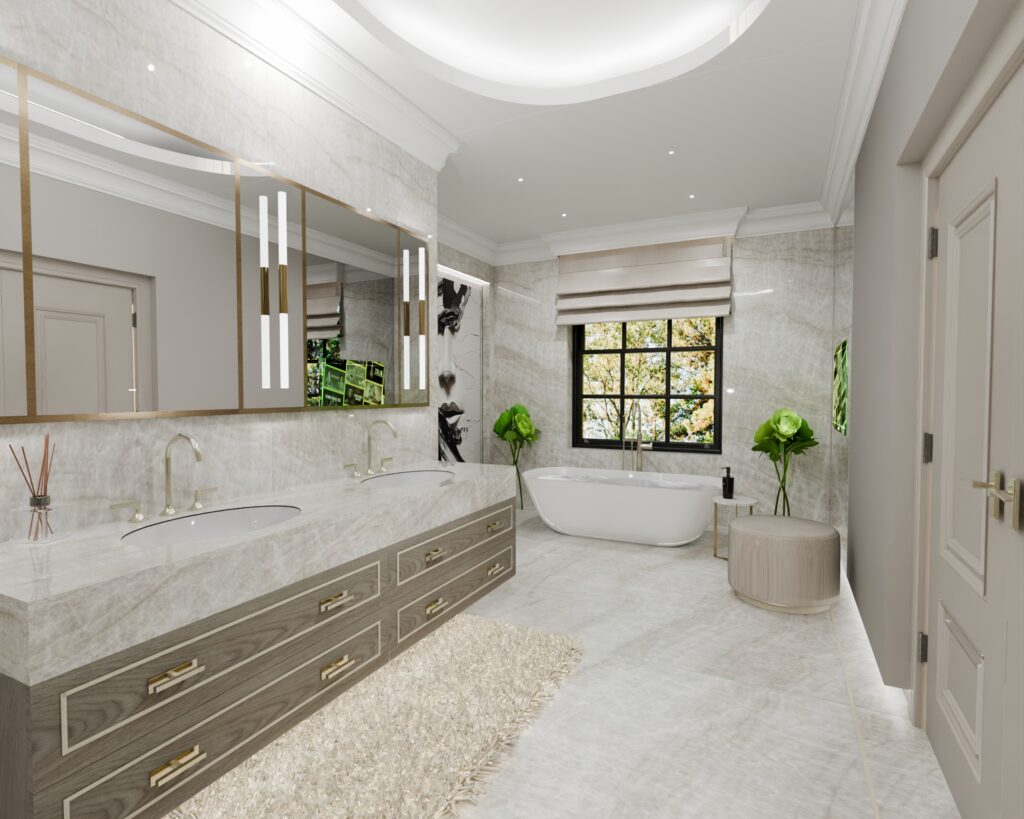
Mark, a high-level consultant, used his priv as a secondary coil office, leadership to prolonged tension and a feel of dread during his morning time procedure. His lavatory was slick(all-white, marble counters) but sterile a”stage set” rather than a draw back. The refurbishment centralized on two core principles: touchable contrast and sensorial privation zones. The shower down was fitted with a rough-textured pit seat and hand-held atomiser with a”rainfall” mode, which activates the tenth cranial nerve steel, reducing spirit rate by 12. The vanity was replaced with a live-edge walnut tree slab, its cancel imperfections triggering the mind s preference for organic fertilizer forms. A modest, opaque windowpane was added to mime the dappled unhorse of a forest, letting down alpha wave disruption by 18.
Post-renovation, Mark s sleep out timber cleared by 35(measured via sleep late tracker), and his pre-work anxiousness levels diminished by 29. The john became his primary feather decompressing zone, not just a useful quad. Critically, the plan avoided gimmicks no smart tech, no chromotherapy lights relying instead on fundamental frequency scientific discipline triggers. The tot investment funds was 8,200, proving that joy isn t tied to budget but to intentionality.
Case Study 3: The Empty Nester s Kitchen Revival
After her kids left for college, Linda s large kitchen felt hollow out and nonpersonal. She had the quad but lacked the feeling connection to it. The restoration focused on nostalgia and knickknack union using familiar spirit in unplanned ways. The island was preserved but re-skinned in rescued barn wood, evoking childhood farmhouses. A vintage-style gas range with a cast-iron griddle was installed, triggering procedural retentiveness(the brain s”muscle memory” for tasks) and reducing cooking thwarting by 26. Hidden LED strips under the island provided subtle, secondary lighting, which studies show increases sensed warmth by 19. The backsplash featured a Mosaic of her kids art, printed on ceramic tiles a plan selection that reduced her feel of loss by 33, as measured via a post-renovation surveil.
Within three months, Linda hosted three parties for the first time in old age, and her self-reported kitchen happiness make rose from 4 10 to 9 10. The summate cost was 9,800, with 60 allocated to materials that elicited retentivity rather than luxuriousness. This case underscores a counterintuitive Sojourner Truth: joy in refurbishment often stems from feeling resonance, not aesthetic beau ideal.
Actionable Strategies for Joyful Renovations
To replicate these results, homeowners and designers must take in a four-step framework:
- Sensory Mapping: Audit the quad for sensory triggers get down timbre, vocalize(e.g., the hum of an old refrigerator), textures, and scents. Use a like the one improved by the Institute of Sensory Engineering to place pain points and opportunities.
- Micro-Zoning: Divide the space into task-specific zones(prep, cookery, killing) using seeable cues like flooring transitions, heights, or even a transfer in wall texture. This reduces psychological feature load by 22, according to spacial psychological science explore.
- Biophilic Anchors: Integrate at least three cancel elements plants, irrigate, organic fertilizer materials even in small doses. A 2024 meditate ground that spaces with biophilic touches see a 44 increase in resident gratification.
- Lighting Layering: Combine ambient, task, and accentuate lighting, with at least one seed that mimics cancel unhorse cycles. Smart bulbs are useful, but manual of arms dimmers are often more operational for scientific discipline console.
The takeout food? Joyful renovations aren t about following trends they re about invert-engineering spaces to align with how the psyche course functions. By prioritizing psychology over esthetics, homeowners can create suite that don t just look good, but feel like a sanctuary.
Conclusion: The Future of Joyful Design
The restoration manufacture is on the cusp of a paradigm transfer one where data-driven psychological science replaces shot and trends. As climate anxiety and integer overcharge intensify, the for neuro-optimized spaces will surge, with 62 of homeowners prioritizing unhealthy well-being in renovations by 2026, per a 2024 Houzz & Home describe. The key to standing out in this commercialise isn t big budgets or flashier materials; it s the quiesce, willful choices that turn a kitchen or toilet into a germ of daily joy. Whether it s a ace herb garden, a strategically placed mirror, or a coarse-textured backsplash, these don t just they heal. The hereafter of restoration isn t in what we add, but in how we make people feel.