
When someone is arrested, one of the first concerns for their family and friends is how quickly they can be released from custody. Waiting for a loved one to come home can be stressful, especially when the arrest happens late at night, during the weekend, or on a public holiday. Understanding the release process can help families make informed decisions and avoid unnecessary delays. 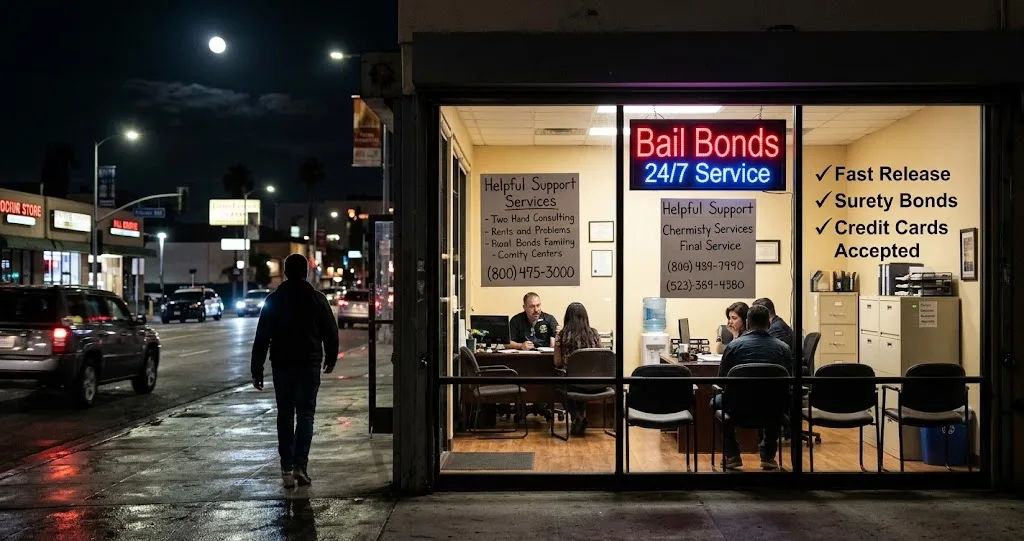 One common question is how long bail bonds 24/7 take for release and whether contacting a bail bond service at any hour can speed up the process.
The answer depends on several factors, including the jail's processing procedures, the court's bail decision, the type of charges, and how quickly the required paperwork is completed. Although some releases happen within a few hours, others may take considerably longer. Having the necessary information ready and understanding each stage can make the process easier to navigate.
A 24-hour bail bond service allows families to contact a bail agent whenever assistance is needed. However, being available around the clock does not mean that a person will automatically be released immediately. The bail agent, jail staff, court system, and other authorities all have separate responsibilities that affect the overall timeline.
This comprehensive guide explains the typical release timeline, the factors that influence processing times, and what families can expect when arranging a bail bond.
How the Bail Bond Release Process Works
Before estimating how long release might take, it is important to understand what happens after an arrest.
A bail bond is a financial arrangement that helps an eligible defendant secure temporary release while their case moves through the legal system. Instead of paying the entire bail amount directly to the court, the defendant or someone acting on their behalf may arrange a bond through a licensed bail bond agent where this service is legally available.
The agent typically charges a nonrefundable fee in exchange for providing the bond, subject to local laws and regulations.
What Happens After an Arrest?
The release process usually involves several stages:
-
Arrest: Law enforcement officers take the individual into custody.
-
Booking: Jail personnel record personal information, fingerprints, photographs, and details about the arrest.
-
Bail determination: Authorities establish whether bail is available and determine the required amount, or a judge makes the decision.
-
Bond arrangement: The defendant or an authorized person contacts a bail bond provider.
-
Paperwork: Required documents and financial arrangements are completed.
-
Bond submission: The bail agent submits the bond to the appropriate authorities.
-
Release processing: Jail staff review the paperwork and complete the release procedures.
Each stage takes time, and delays at one stage can affect everything that follows.
How Long Do Bail Bonds 24/7 Usually Take for Release?
There is no single timeline that applies to every arrest. In many situations, the bond arrangement itself can be completed relatively quickly, but the jail's release processing may take several additional hours.
For example, a straightforward case may move through the process within a few hours after the individual becomes eligible for release. Other situations may require considerably more time because of administrative requirements or court decisions.
Typical Release Timeframes
The following estimates are general examples rather than guaranteed processing times.
|
Release stage |
Possible timeframe |
|---|---|
|
Initial contact with a bail agent |
A few minutes |
|
Gathering required information |
15–60 minutes |
|
Completing bond paperwork |
30–90 minutes |
|
Bond submission and review |
Varies by facility |
|
Jail release processing |
Several hours or longer |
These stages may overlap, and actual times differ between jurisdictions.
Can Someone Be Released Within One Hour?
It is possible in some straightforward situations, but it should not be treated as a normal guarantee.
A release within an hour may be difficult if the person has not completed booking, the bail amount has not been established, or the jail requires additional verification.
Even when a bond agent responds immediately, the facility must still follow its official procedures.
Can Release Take More Than 24 Hours?
Yes. Certain circumstances can extend the process beyond a full day.
These may include:
-
Delays in completing the booking process.
-
Waiting for a judge to establish bail.
-
Additional legal requirements.
-
Outstanding warrants or other holds.
-
Errors in paperwork.
-
Staffing or administrative delays.
-
Complicated cases involving multiple charges.
In these situations, contacting a bail agent can help explain the available options, but the agent cannot independently override a court order or jail procedure.
Factors That Affect How Quickly Bail Bonds Are Processed
Several factors determine how quickly someone can be released after a bond is arranged.
Understanding these factors helps families develop realistic expectations.
1. Jail Booking Procedures
Booking is one of the most important stages of the release process.
After an arrest, jail staff must identify the individual, record the charges, complete required documentation, and enter the information into the facility's system.
Some facilities process bookings quickly, while others experience significant delays because of high arrest volumes or limited staffing.
A person generally cannot be released through the normal bond process until the necessary booking and eligibility requirements have been completed.
2. The Amount of Bail
The bail amount can influence how quickly a family arranges financial assistance.
When the amount is established and the family understands the payment requirements, the bond arrangement may move forward more easily.
However, a higher amount may require additional financial documentation, collateral discussions, or approval procedures.
The bail agent should clearly explain all fees, obligations, and conditions before the agreement is completed.
3. Availability of a Judge
Not every arrested person receives an automatic bail amount.
Some cases require a judge to review the circumstances and decide whether release is appropriate.
If a person is arrested outside normal court hours, they may need to wait until a judicial review becomes available.
This is one reason why an overnight arrest may take longer to resolve than a straightforward daytime arrest.
4. Jail Staffing and Workload
Jail facilities operate according to their own schedules and administrative procedures.
A facility experiencing a large number of arrests may take longer to process paperwork and release eligible individuals.
Even after the bond has been accepted, staff members must complete the remaining administrative requirements.
A 24-hour bail service cannot control how quickly a particular facility handles these responsibilities.
5. Additional Holds or Warrants
A person may have other legal matters that affect their eligibility for release.
For example, an outstanding warrant, another jurisdiction's hold, or a separate court order may prevent immediate release.
In such cases, paying a bond for one charge does not necessarily resolve every legal issue.
Families should ask the appropriate legal authorities or an attorney to clarify whether additional restrictions apply.
Why Choose Bail Bonds 24/7 Services?
Arrests do not always happen during regular business hours.
Someone may be taken into custody late at night, early in the morning, during a weekend, or on a holiday.
A service operating around the clock gives families an opportunity to obtain information and discuss the bond process without waiting for the next business day.
Assistance During Nights and Weekends
One important advantage of bail bonds 24/7 is accessibility.
Families can contact a service when an arrest occurs rather than waiting until regular office hours.
This can be especially useful when someone needs immediate information about the required bond amount, paperwork, payment arrangements, or release eligibility.
However, the jail and court may still operate according to separate schedules.
Faster Communication
An available bail agent can explain which information is needed and help identify the next administrative steps.
Clear communication can reduce avoidable delays caused by incomplete documents or misunderstandings.
Families should provide accurate information and ask questions whenever something about the agreement is unclear.
Guidance Through Paperwork
Bond arrangements often involve legal documents and financial agreements.
A professional agent can explain the documents, identify the responsibilities of the parties involved, and clarify any applicable conditions.
This assistance can make the process easier for people who have never arranged a bail bond before.
Does the Time of Arrest Affect Release?
Yes. The time of arrest can influence how quickly the process moves forward.
Although a bail bond provider may be available at any hour, court schedules and jail procedures can vary.
Arrests During Regular Business Hours
When an arrest occurs during normal court and administrative hours, certain decisions may be handled more quickly.
If the individual has an established bail amount and has completed booking, the bond arrangement may proceed without waiting for the next court session.
However, the facility's workload and other circumstances still matter.
Arrests Late at Night
Late-night arrests can involve additional waiting periods.
For example, the person may still be completing booking when the family contacts a bail agent.
If judicial approval is necessary, the family may need to wait until the appropriate authority is available.
A 24-hour provider can explain the process and discuss arrangements, even when the actual release cannot happen immediately.
Weekend and Holiday Arrests
Weekends and holidays can create additional scheduling challenges.
Some courts have limited availability outside normal operating hours, although emergency judicial procedures may exist depending on the jurisdiction.
Jail facilities generally continue operating, but their administrative processes may differ.
Families should confirm the expected timeline directly with the relevant facility.
What Information Is Needed to Arrange a Bail Bond?
Having accurate information ready can help avoid unnecessary communication delays.
Although requirements differ between providers and jurisdictions, the following details are commonly requested.
Defendant's Personal Information
The bail agent may need:
-
Full legal name.
-
Date of birth.
-
Name of the jail or detention facility.
-
Booking number, if available.
-
General information about the charges.
Accurate identification is important because similar names can cause confusion.
Information About the Arrest
Families should provide any available details about the arrest and current custody status.
This may include the approximate arrest time, the facility where the person is being held, and whether bail has already been established.
If some information is unavailable, the agent may explain how to obtain it through the appropriate official channels.
Financial and Bond Agreement Information
Depending on local laws and the provider's requirements, the person arranging the bond may need to discuss:
-
The total bail amount.
-
The bond fee.
-
Available payment arrangements.
-
Collateral requirements, if applicable.
-
The responsibilities of the defendant and any co-signer.
Before signing, everyone involved should understand the financial and legal obligations.
What Can Families Do to Avoid Unnecessary Delays?
Families cannot control every part of the release process, but they can take reasonable steps to keep the arrangement organized.
Contact a Licensed Bail Bond Provider
Where commercial bail bonds are permitted, choose a properly licensed provider.
Check the agent's credentials and make sure the business operates according to local regulations.
Avoid making payments to individuals whose identity and authorization cannot be verified.
Provide Accurate Information
Incorrect personal details or booking information may create confusion.
Double-check the defendant's legal name, date of birth, and facility information before sharing them.
If the booking number is available, providing it may make identification easier.
Ask About the Facility's Procedures
Different detention facilities follow different release policies.
Ask whether booking has been completed, whether bail is available, and whether any additional requirements must be satisfied.
The jail can usually provide information about its own release procedures.
Complete Paperwork Carefully
Read all documents before signing them.
Make sure the names, amounts, fees, and responsibilities are correct.
Incomplete or incorrect documentation may need to be corrected before the bond can be processed.
Maintain Communication
Stay in contact with the bail agent and request updates when appropriate.
If the process takes longer than expected, ask whether the delay relates to paperwork, court approval, or jail processing.
Knowing the reason for the delay can help families understand what to expect.
Does a 24-Hour Bail Bond Service Guarantee Immediate Release?
No. This is an important distinction.
A provider offering bail bonds 24/7 guarantees, at most, that its services are available around the clock according to its advertised arrangements. It does not guarantee that a defendant will be released immediately.
The bail agent does not control:
-
Judicial decisions.
-
Arrest and booking procedures.
-
Outstanding warrants.
-
Court-ordered restrictions.
-
Jail staffing levels.
-
Official release authorization.
A bond agent can assist with the financial and administrative aspects of an eligible bond, but release remains subject to legal requirements.
Families should be cautious of providers promising guaranteed release within a specific number of minutes or hours.
What Happens After the Bail Bond Is Approved?
Approval of the bond is an important milestone, but it does not always mean the individual can walk out immediately.
The jail must receive and verify the relevant documents.
Verification of Bond Documents
Jail personnel review the submitted bond information to confirm that it meets the applicable requirements.
If information is missing or incorrect, additional clarification may be necessary.
This review helps ensure that the release is properly authorized.
Completion of Release Procedures
After verification, jail staff complete the remaining administrative steps.
These may include checking custody records, confirming that no other holds apply, and preparing the individual for release.
The person may also receive paperwork explaining court dates and release conditions.
Leaving the Facility
Once all necessary procedures are complete, the individual can leave the facility.
They should carefully review their release documents and follow all instructions provided by the court.
Missing a required court appearance can create serious legal consequences.
Important Responsibilities After Release
Securing release is only one part of the legal process.
A defendant who receives a bond must understand and follow the conditions attached to it.
Attend Every Required Court Appearance
Court attendance is one of the most important responsibilities.
The defendant should record all scheduled dates and confirm the location and time of each hearing.
If a scheduling issue arises, they should contact their attorney or the appropriate court office.
Follow Release Conditions
Some individuals may be subject to additional restrictions.
These could include travel limitations, contact restrictions, reporting requirements, or other conditions ordered by the court.
Violating these conditions can lead to additional legal problems.
The Financial Agreement
A bail bond agreement may create financial obligations for the defendant and the person who arranged the bond.
The parties should retain copies of the documents and understand any conditions involving collateral, fees, or indemnification.
If questions arise, they should seek clarification from the licensed provider or a qualified legal professional.
Common Questions About Bail Bonds 24/7
Can I Contact a Bail Agent at 3 AM?
Yes, if the provider genuinely offers 24-hour service.
You can ask about the bond process, provide available booking information, and discuss the next steps.
However, the jail may not complete every stage of the release process immediately.
Does the Release Process Start Before Booking Is Complete?
A family may contact a bail agent before booking is finished.
However, the agent may need the completed booking information and confirmed bail details before submitting the bond.
The exact procedure depends on the jurisdiction and facility.
Can Someone Be Released on the Same Day?
Yes, same-day release is possible in some cases.
It generally depends on whether the person is eligible for bail, whether the required arrangements are completed, and how quickly the facility processes the release.
It should never be assumed that every case will qualify.
Why Is Someone Still in Jail After the Bond Has Been Paid?
Several reasons may explain this situation.
The facility may still be reviewing documents, completing release paperwork, checking other legal holds, or processing a large number of individuals.
Families should contact the bail agent or jail to identify the specific reason.
Are Bail Bonds 24/7 Available on Public Holidays?
Some providers operate throughout public holidays.
Nevertheless, court availability and administrative procedures may be limited.
It is important to distinguish between an available bail agent and an available court or jail release process.
Can an Attorney Help Speed Up Release?
An attorney can explain the defendant's legal options and address issues that may affect eligibility for release.
For example, an attorney may help clarify a disputed bail decision or identify a legal hold.
However, an attorney cannot guarantee immediate release or bypass lawful procedures.
Conclusion
Understanding how long bail bonds 24/7 take for release can help families prepare for an uncertain and stressful situation. Although some individuals may be released within a few hours, others may need to wait longer because of booking procedures, judicial decisions, paperwork requirements, or administrative delays.
A 24-hour bail bond provider can make the process more accessible by offering assistance when an arrest happens outside regular business hours. Families can contact an agent, discuss the financial arrangements, provide the necessary information, and learn what steps are required to move forward.
However, it is important to remember that round-the-clock availability does not guarantee immediate release. The final timeline depends on the individual's legal circumstances, the court's decisions, and the detention facility's procedures.
The best approach is to gather accurate information, work with a properly licensed provider where commercial bail bonds are legally available, review every agreement carefully, and maintain communication throughout the process.
Families should also remember that release comes with responsibilities. Defendants must follow court instructions, attend scheduled hearings, and comply with all applicable conditions.
Ultimately, understanding the process and having realistic expectations can make a difficult experience easier to manage. By knowing what affects release times and how each stage works, families can make better-informed decisions and navigate the bail process with greater confidence.