
A complete guide to energy Scopes, opera glasses and monoculars for hunting begins with sympathy why these have become so necessary in the modern font hunt earth. Traditional optics rely on available unhorse, whether it is natural or the help of a play up at night, but thermic technology workings by detective work heat signatures. Every animal gives off body heat, which stands out against the cooler downpla of the environment, qualification it possible to see game even in total or through light wrap up such as fog or brush. This advantage changes the way hunters move, cut through and identify targets, creating opportunities that were nearly impossible with conventional glaze over optics alone.
Thermal Scopes are often the first tool hunters research when incoming this domain. A scope mounts straight to a despoil, combine overstatement with energy imaging, gift hunters the power to aim and fire with precision even when visibleness is limited. The timbre of a thermal telescope is stubborn by several factors such as sensing element resolution, review rate, signal detection range and lens size. Higher solving produces clearer images, allowing better recognition of animals at greater distances, while a fast refresh rate ensures drum sander visuals when trailing a moving direct. Battery life also matters because long hunts can chop-chop drain world power, and having a telescope that runs efficiently can make the difference between succeeder and frustration thermal handheld devices.
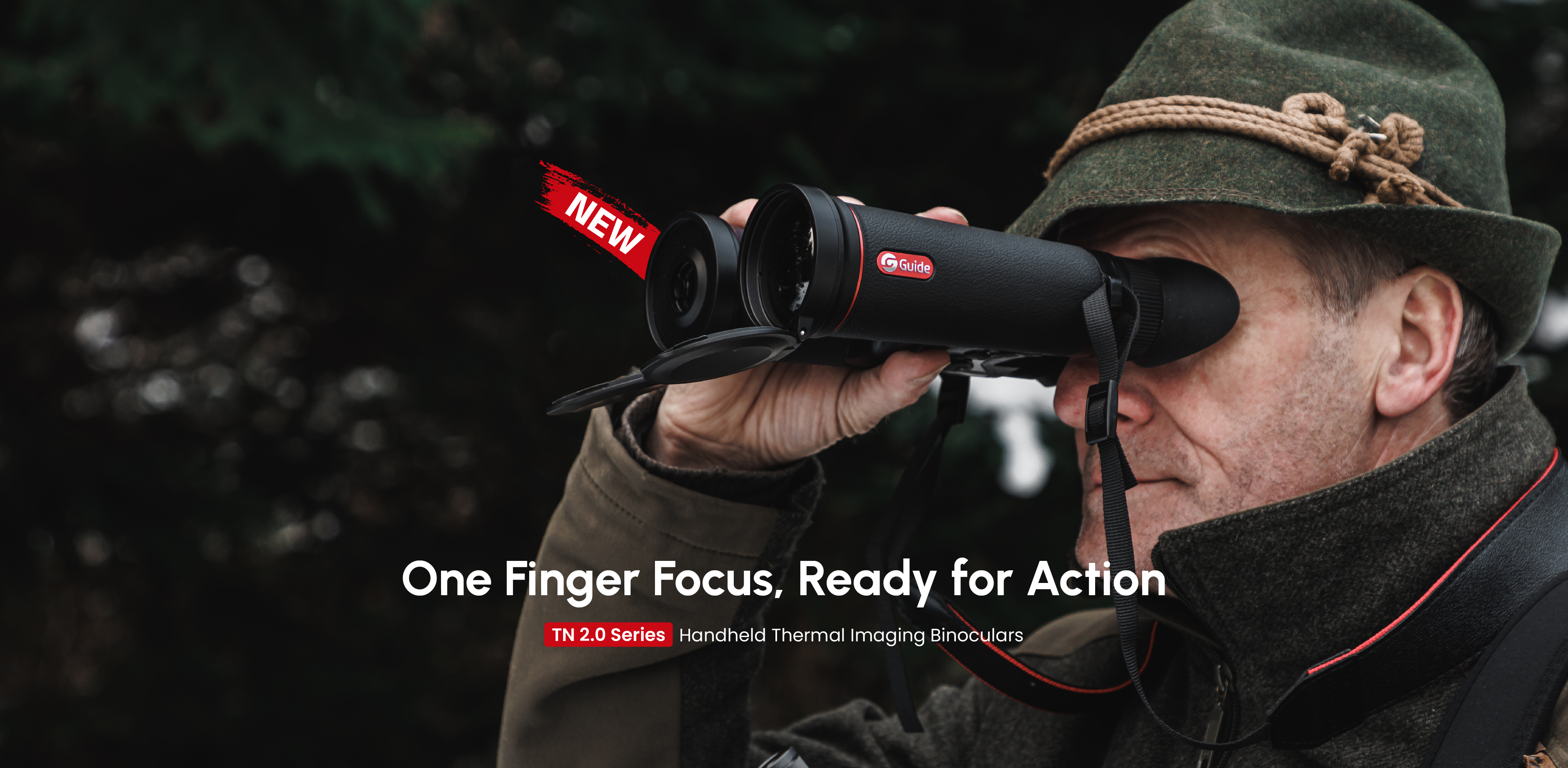
Thermal field glasses, on the other hand, are premeditated for reflection rather than aiming. Hunters use them for scanning W. C. Fields, forests or open terrain before they ever raise a reave. Because thermal monocular night vision use both eyes, they are generally more wide for spread wake, and many hunters find that they provide a more cancel undergo when glassing large areas. They often come with wider fields of view compared to scopes, allowing the user to spot front and heat signatures across deep landscapes. Once game is placed, hunters can then switch to their telescope for a more meticulous participation.
Monoculars answer as a compact and versatile choice, hitting a balance between portability and performance. Unlike binoculars, a monocular uses only one eyepiece, which makes it igniter and easier to carry. Many hunters keep a thermic monocular in a pocket or sessile to a lanyard, using it to speedily scan an area without the slant of field glasses or the of nurture a reave with a affixed scope. This mobility makes monoculars especially useful for those who want to move apace and cover ground without being encumbered by heavy gear.
When choosing between scopes, opera glasses and monoculars, the often comes down to the style of hunt and the . A Hunter who spends long nights in open William Claude Dukenfield may prioritize a high-resolution telescope with sprawly detection straddle, while someone who prefers stalking through brushy areas might value the whippersnapper of a monocular. Binoculars become particularly valuable for staining herds or distinguishing animals at long distances where troubled observation is key before qualification a move. Price is also a factor in, as thermic technology is still a substantial investment funds, and balancing performance with budget is part of the process monocular thermal vision.
Ultimately, the invoke of thermal imaging devices lies in the way they expand a hunter s awareness. They allow for safer, more ethical search by qualification it easier to signalise between species and to see a clear shot even in low unhorse. They also add an element of exhilaration, lease hunters undergo the landscape painting in a wholly different way, as heat signatures divulge the secret life of the night. With a serious-minded approach to selecting the right whether scope, sense organ or monocular hunters can raise their skills and enjoy the outdoors with tools that play off their subjective title and goals.
